


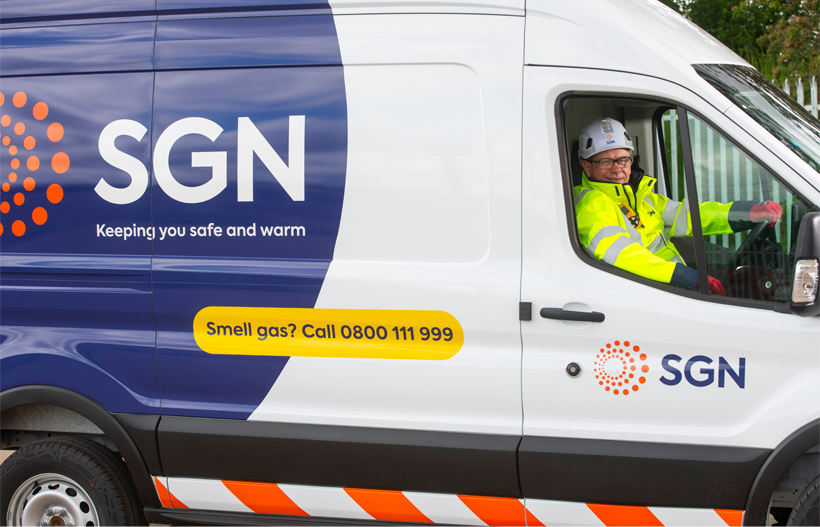
SGN is joining organisations across the UK to mark Gas Safety Week, using the national campaign to spotlight the vital steps households can take to stay safe at home.
The annual initiative, which runs from 14 September, brings together organisations, businesses, community groups and Gas Safe registered engineers to help keep the nation gas safe.
The theme for Gas Safety Week 2026 is Take No Chances. It is a simple but important reminder that if something does not feel right, it should not be ignored. If an appliance needs checking, do not put it off. And if gas work needs doing, always use someone who is Gas Safe registered and qualified for the type of work needed. Gas Safe Register is the official register for legally qualified gas engineers.
Taking the right action can help protect people from serious risks including gas leaks, fires, explosions and carbon monoxide (CO) poisoning. Carbon monoxide is often called the ‘silent killer’ because it cannot be seen, smelt or tasted.
If anyone smells gas or suspects a CO leak, they should call the National Gas Emergency number on 0800 111 999 straight away and follow the safety guidance provided.
Gas Safety Week aligns directly with SGN’s long‑standing work to protect customers and support those who may be struggling with unsafe appliances as well as wider vulnerabilities.
SGN Head of Social Impact Kerry Potter said: “We’re trusted to walk through the doors of around 300,000 homes each year as we respond to gas emergencies and upgrade our network – often meeting some of the nation’s most vulnerable households.
“Our teams proudly go above and beyond for our customers, always providing outstanding service.
We recognise the responsibility of being invited into people’s homes. Our unique role allows us to not only keep customers safe and warm, but also connect households with wider support to use energy safely, efficiently and affordably
“In collaboration with our Safe and Warm partnership network, we’ve been able to go further than our core role as a gas network – helping households facing vulnerability, financial hardship and fuel poverty, and supporting communities to build greater resilience for the future.
“We will continue to collaborate with our partners, stakeholders and communities so vulnerable households can access the support they need to stay safe, warm and well – while making sure no one is left behind through the energy transition.”
More information on how we provide extra help for our customers is available here.
To keep yourself gas safe, follow these tips
Arrange an annual gas safety check
Gas appliances should be safety checked once a year and serviced regularly by a Gas Safe registered engineer. Tenants should check that their landlord has arranged this, as landlords are legally required to do so and provide a copy of the Gas Safety Record.
Check your engineer is Gas Safe registered
Always use a Gas Safe registered engineer and ensure they’re qualified for the work that needs doing. You can check this via the Gas Safe Register website and the engineer’s ID card.
Look out for warning signs that could indicate your gas appliances are not working correctly
Signs may include lazy yellow/orange flames instead of crisp blue ones, black marks on or around the appliance, a pilot light that keeps going out, too much condensation in the room, or error messages on the appliance’s control panel. If you spot these signs, stop using the appliance and contact a Gas Safe registered engineer.
Recognise the signs of CO poisoning
Remember the six main symptoms of carbon monoxide poisoning: headaches, dizziness, breathlessness, nausea, collapse, and loss of consciousness.
Install and regularly test an audible carbon monoxide (CO) alarm
When purchasing an alarm check it’s marked to standard EN 50291. Regular testing helps ensure alarms are working and able to alert you to the presence of CO.
Ensure your home’s vents and flues are not blocked
Vents and flues are there to ensure your gas appliances work safely. Blocking them could prevent this.
Never DIY gas work
Before drilling or hammering, check there is no risk of hitting a gas pipe. Never attempt gas work yourself if you suspect something is wrong with a gas appliance, or it is not working correctly. Always leave it to the experts.