


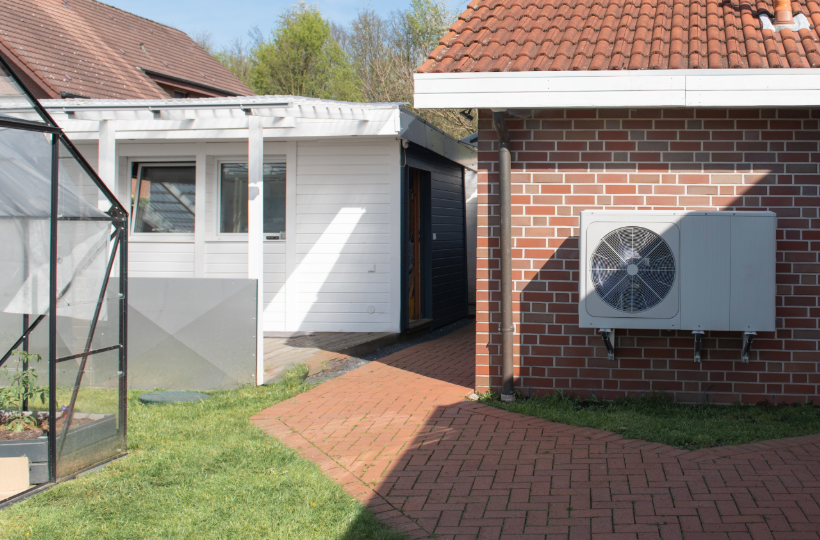
What are hybrid heat pumps?
Hybrid heat pumps combine two technologies in a single heating system: a heat pump and a gas boiler.
The heat pump provides most of a home's heating and hot water needs, while the boiler can provide additional support when demand is higher, such as during colder weather or when extra hot water is needed.
By combining both technologies, hybrid systems can offer households a flexible approach to lower-carbon heating while maintaining the comfort and familiarity of a traditional boiler.
How do hybrid heat pumps work?
A hybrid system uses intelligent controls to determine the most efficient way to heat a home. In many cases, the heat pump does most of the work, with the boiler operating only when additional heat is required.
This approach can help reduce gas consumption and emissions while allowing households to continue using a heating system that works with their home's existing infrastructure.
Why are hybrid heat pumps being discussed?
As the UK looks to reduce emissions from home heating, there is growing interest in technologies that can help households transition to lower-carbon energy in a practical and affordable way.
Hybrid heat pumps are one of a number of options being explored because they can combine the efficiency benefits of heat pumps with the flexibility and reliability many consumers value.
Research by Stonehaven
SGN commissioned research from policy consultancy Stonehaven in June 2026 to explore public attitudes towards low-carbon heating and the potential role hybrid heat pumps could play in the future energy system.
The report, Turning down the heat, found that concerns around cost, disruption and practicality remain important factors for many households considering lower-carbon heating options.
The research suggests that hybrid heat pumps could help address some of these barriers by offering a more flexible pathway to reducing emissions while maintaining consumer choice.
Bio-Hybrids: A Clean Heat Solution
This report by the Green Gas Taskforce in February 2026 examines the role of biomethane-fuelled hybrid heating systems in addressing the significant challenge of heat decarbonisation in Great Britain, putting forward data-driven and actionable policy recommendations which would realise its full potential.
Hybrid Heating Great Britain (HHGB) report
Hybrid Heating Great Britain (HHGB) is a consortium comprising electricity and gas distribution networks, heat pump manufacturers, and software solution providers. At the end of 2025, HHGB published a report to explore the benefits of hybrids from a whole-systems perspective, to quantify the opportunity at a national level, and to design an actionable roadmap to accelerate heating decarbonisation.